

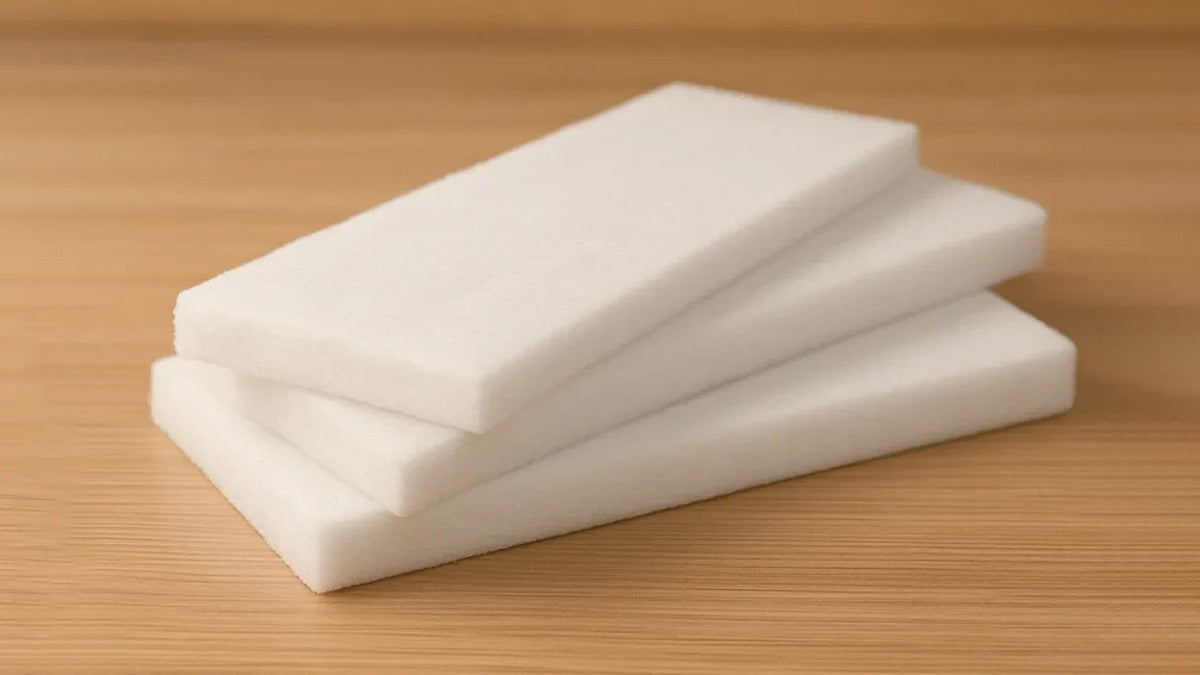
Ceramic wool, also known as ceramic fibre cotton for bioethanol fires, is a type of heat-resistant wadding made from fine ceramic fibres. In the context of bioethanol fireplaces, this material has become an essential safety and performance element. Although early bio fires did not include fibre cotton as standard, ceramic fibre cotton has gradually established itself as a vital component in the construction of a manual bioethanol burner.
Its ability to absorb bioethanol efficiently, minimise spillage, and support an even, controlled flame makes it a trusted addition to modern manual burners. Today, ceramic fibre cotton is not just an upgrade — it is a standard for ensuring better combustion and a safer, more consistent fireplace experience.
How Ceramic Wool Enhances Fireplace Safety
Ceramic wool plays a vital role in improving the safety and performance of bioethanol fireplaces. By absorbing the bioethanol fuel inside the burner, it helps keep the fuel securely in place — even in the event of accidental tipping. This smart material also supports faster ignition, making it easier to light your bio fireplace burner quickly and safely.
At Bioethanol-fireplace.co.uk, ceramic fibre cotton is included in most of the manual bioethanol fireplaces we offer. Some models, such as those from Nordlys Denmark, use a ceramic stone inside the burner instead — but the purpose remains the same: to ensure safe, stable, and efficient combustion.

How to Use Ceramic Wool for Bioethanol Fires
Most modern bioethanol burners already come with ceramic fibre cotton installed. However, if you own an older model that does not include it, you can easily add it yourself. Simply place the ceramic wool carefully inside the burner, making sure it is evenly distributed. This allows the fuel to be absorbed consistently, helping to prevent spills and ensuring a stable, clean-burning flame.
For the best performance and safety, always use high-quality bioethanol fuel with an alcohol content of 95–97.5%. However, you should always follow the fireplace manufacturer's specific recommendations listed in the user manual. Using the correct type of fuel not only protects the ceramic fibre but also ensures efficient and safe operation of your bio fireplace.
How to Make Bioethanol Fuel Last Longer
Most modern bioethanol fireplaces already come with ceramic fibre cotton included. However, if you have an older model without it, adding ceramic wool can help you get more out of your fuel. Once placed inside the burner, the wool absorbs and distributes the bioethanol evenly, allowing for a slower, more controlled burn — helping your fuel last longer.
In addition to ceramic fibre cotton, maintaining a clean burner and ensuring proper ventilation can also improve fuel efficiency. For the best results and safe operation, always follow the manufacturer's instructions and recommended maintenance practices.
Replacement of the Ceramic Fibre Cotton in a Bioethanol Fireplace
If you are fitting ceramic wool into an older burner yourself, it is worth taking a few simple precautions during handling. Like other mineral fibre materials, ceramic wool can release fine fibres when cut, torn, or manipulated, which can irritate the skin, eyes, and respiratory tract. To handle it safely:
- Work in a well-ventilated area, or outdoors if possible
- Wear gloves and long sleeves to avoid skin irritation
- Use safety glasses or goggles to protect your eyes
- Consider wearing an FFP2/N95 dust mask, particularly if you are cutting the material or handling larger quantities
- Wash your hands thoroughly after handling
Once fitted, no special precautions are needed during normal fireplace use.
Not a Consumable Product
Ceramic fibre cotton is not considered a consumable part of a bioethanol fireplace. This means it does not have a fixed lifespan or a set number of uses before it needs replacing. It is designed to withstand regular use and typically lasts for the entire life of the fireplace without requiring replacement.
Use the Correct Fuel
It is essential to use only bioethanol fuel in your fireplace. Using the wrong type of fuel — such as Tenderflame or other non-approved products — can permanently damage the ceramic fibre cotton. Once contaminated, the material cannot be cleaned or restored, which compromises both performance and safety.

Most Burners Are Not Designed for Cotton Replacement
In most bioethanol burners, the ceramic fibre cotton is integrated into the design and not intended to be removed or replaced. This ensures optimal fuel absorption, consistent burning, and overall safety. If the cotton is damaged due to misuse or incorrect fuel, the burner may need professional servicing.
Older Burners Without Ceramic Fibre Cotton
If you own an older bioethanol fireplace model that does not include ceramic fibre cotton, there is no need to worry. Whilst not strictly necessary, adding ceramic wool can significantly enhance safety and fuel efficiency. You can easily purchase ceramic fibre wadding to upgrade your existing burner and improve its overall functionality. As with any fibrous insulation material, a little care during handling goes a long way — but once it is fitted and your fireplace is in use, no special precautions are needed.

Benefits of Using Ceramic Wool
Better Fuel Efficiency, Fewer Spills
By absorbing and evenly distributing bioethanol inside the burner, ceramic fibre cotton helps reduce unnecessary fuel evaporation and the risk of spills. This means less waste, a more controlled flame, and ultimately lower fuel consumption over time — a practical benefit for anyone who uses their fireplace regularly.
A Small Component, Used Responsibly
Though small and often hidden inside the burner, ceramic fibre cotton plays a genuine role in both safety and performance. It supports a stable flame, reduces the risk of spills, and helps ensure a more controlled burning process. Whilst most modern fireplaces already include it, adding ceramic wool to an older model can meaningfully improve how your bioethanol fireplace performs.


