

Inspiration Cheminée
Inspiration Cheminée

Bioethanol fire or electric fire?
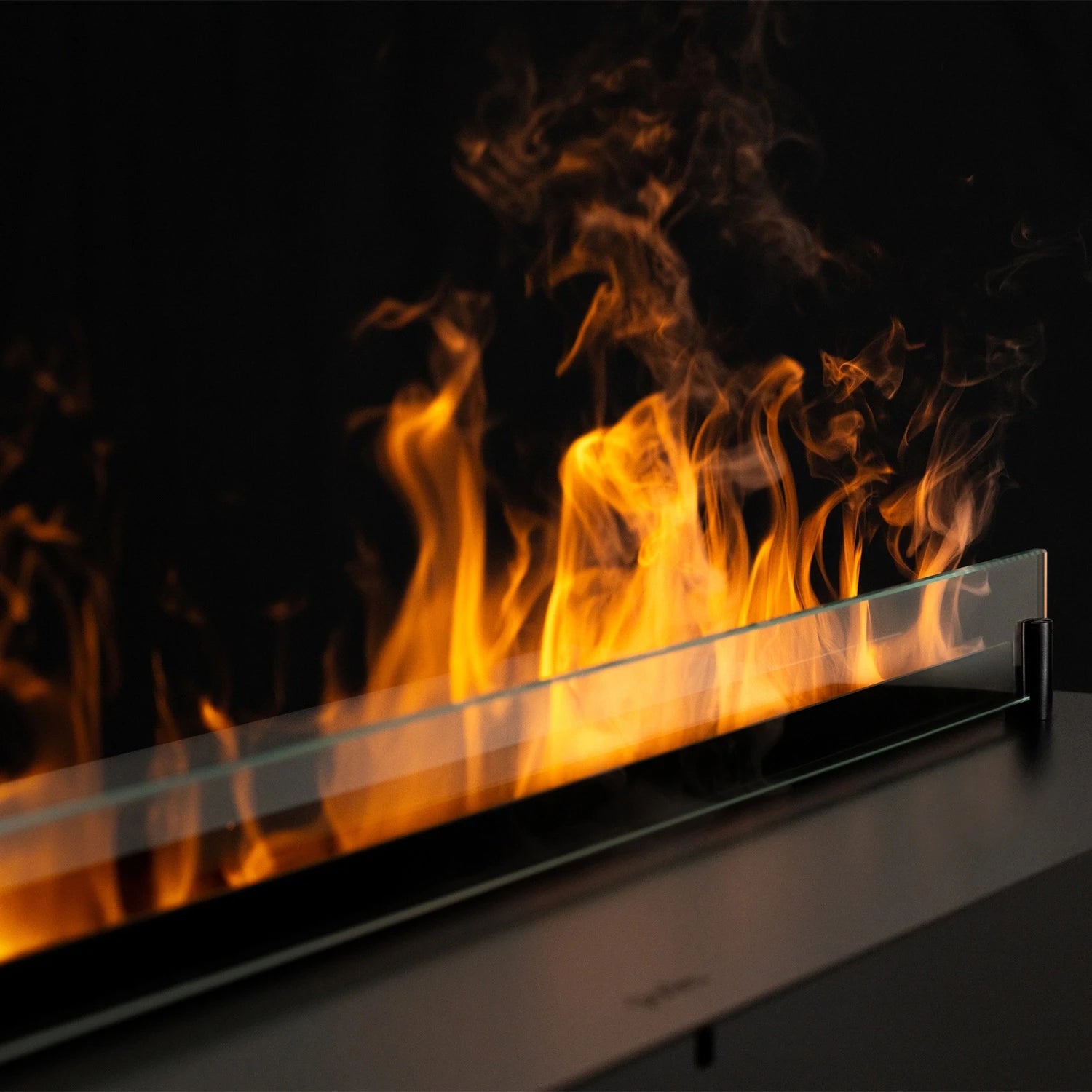
Choosing between a bioethanol fireplace and an electric fireplace can be difficult, as there are pros and cons to both. This guide aims to provide a clear overview of each option to help you make the right choice for your home. Electric Fireplace Electric fires have gained increasing interest in recent years, mainly due to how easy they are to install and maintain. They are also a cost-efficient way of heating a room. However, they do not have the same heating capabilities as a traditional fireplace — and crucially, they do not produce a real flame. Pros of an Electric Fire No dangerous fumes Does not emit soot or ash Does not require a chimney Easy and quick to start Good heating effect No fire risk Cons of an Electric Fire Requires an electricity connection Does not produce real flames Lower durability than other fireplaces Often more expensive to run The biggest drawback of an electric fire is the lack of a real flame. Many people associate a fireplace with a living, flickering flame — and whilst some newer, high-end electric fires attempt a realistic flame effect, it will never replicate the relaxing atmosphere of a real flame. Bioethanol Fireplace Many people are still discovering the possibilities of a bioethanol fireplace. Unlike electric fires, a bioethanol fireplace produces an authentic living flame by combusting organic fuel — without emitting any dangerous fumes, soot, or ash. Pros of a Bioethanol Fireplace Authentic living flame Does not require a chimney Burns on organic, eco-friendly fuel Does not emit soot, ash, or dangerous fumes Only requires bioethanol to ignite Can serve as a secondary heat source Very portable and mobile Suitable for small rooms and flats — requires little to no ventilation Cons of a Bioethanol Fireplace Requires refilling from time to time Ongoing fuel costs can be higher than running an electric fire Always produces heat when burning — cannot be used purely for decoration in warm weather The biggest advantage of a bioethanol fireplace is the authentic living flame — something neither an electric fire nor a gas fire can truly replicate. The real flame is what most people associate with having a fireplace, and bioethanol delivers exactly that. Conclusion Electric and bioethanol fireplaces share a number of advantages — both are easy to install, require no chimney, and produce no ash or soot. However, the key difference lies in the ambiance and warmth that only an authentic living flame can provide. Bioethanol fireplaces also offer exceptional portability. Freestanding and tabletop models can be moved wherever you need them — whether that's outside on a warm evening or in the living room on a quiet Sunday afternoon. The possibilities are endless. Whilst both types of fireplace have their merits, only a bioethanol fireplace can give you the real, living flame that truly makes a fireplace feel like a fireplace.
En savoir plus
Can a bio fireplace be used as a supplementary heat source?
Rising energy prices got you looking for alternatives? A bioethanol fireplace makes an excellent supplementary heat source — eco-friendly, easy to use, and perfect for taking the edge off a cool evening without turning on the full central heating system.
En savoir plus